
A cataract is a clouding of the natural intraocular crystalline lens that focuses the light entering the eye onto the retina. This cloudiness can cause a decrease in vision and may lead to eventual blindness if left untreated. Cataracts often develop slowly and painlessly, so vision and lifestyle can be affected without a person realizing it. Worldwide, cataracts are the number one cause of preventable blindness. There is no medical treatment to prevent the development or progression of cataracts.
Modern cataract surgery, which is the removal of the cloudy lens and implantation of a clear intraocular lens (I0L), is the only definitive treatment for cataracts. Cataract surgery is the most effective and most common procedure performed in all of medicine with 3 million Americans choosing to have cataract surgery each year, and an overall success rate of 97 percent or higher when performed in appropriate settings. Cataracts often develop slowly with a gradual decline in vision that cannot be corrected with glasses. Common complaints include blurry vision, difficulty reading in dim light, poor vision
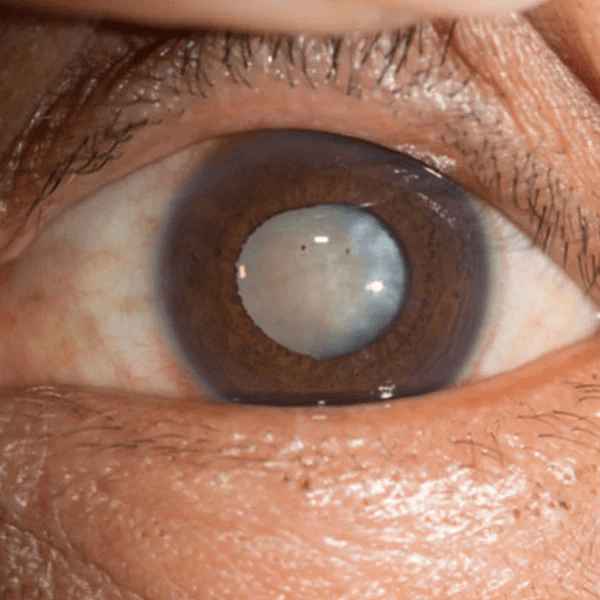
blurry vision, trouble seeing at night, seeing colors as faded, increased sensitivity to glare, halos surrounding lights, double vision in the affected eye, a need for frequent changes in prescription glasses.
an overproduction of oxidants, which are oxygen molecules that have been chemically altered due to normal daily life smoking
the long-term use of steroids and other medications certain diseases, such as diabetes trauma radiation therapy
If you’re unable or uninterested in surgery, your doctor may be able to help you manage your symptoms. They may suggest stronger eyeglasses, magnifying lenses, or sunglasses with an anti-glare coating.
Surgery is recommended when cataracts prevent you from going about your daily activities, such as reading or driving. It’s also performed when cataracts interfere with the treatment of other eye problems. One surgical method, known as phacoemulsification, involves the use of ultrasound waves to break the lens apart and remove the pieces.